Study in Malta
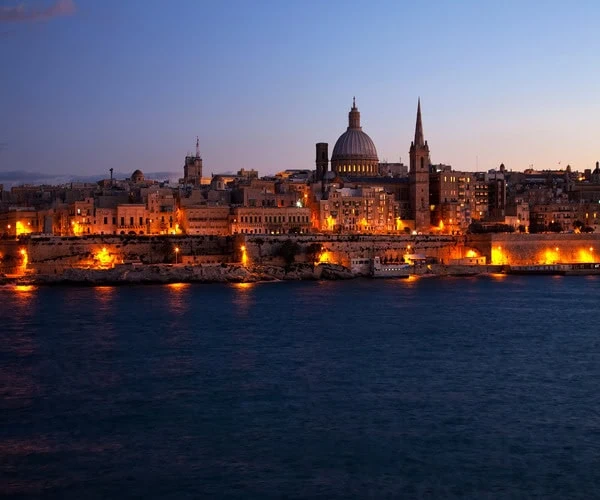
Study in Malta
Ever thought studying in Europe is expensive? Discover affordable education in Malta, one of the top emerging destinations for study in Malta for Indian students. With globally recognized universities, an English-based curriculum, and strong post-study work opportunities, Malta offers the perfect blend of quality education and career growth. Choosing to study abroad in Malta not only enhances your academic journey but also opens doors to international job markets. From business and IT to hospitality and healthcare, students can explore in-demand courses aligned with global career trends. Looking for trusted Malta study abroad consultants in Kochi, Kerala? MWT Study Abroad is your reliable partner, offering end-to-end support, including university selection, admission guidance, scholarships, and student visa assistance—ensuring a smooth and successful study abroad experience.
Unlock special benefits for students & partners
Know More About Malta
Why Study in Malta
- European-Recognized Qualifications
Did you know that degrees earned in Malta are in alignment with the broader European framework called the Bologna Process? This system standardizes higher education across Europe. This translates to your qualification being accepted widely across European countries, whether you plan to further study in Malta or move to other parts of Europe.
- English-Speaking European Country
The vast majority of university programs taught in Malta study abroad are in English, ensuring there is no language barrier across the courses’ dimensions. Indian students can easily integrate with the existing curriculum. Moreover, as an international student, your access to part-time jobs will also be smooth, from interacting with locals to securing internships with big firms.
- Safe & Student-Friendly Environment
With low crime rates, welcoming locals, and a diverse international student community, Malta offers a safe and comfortable environment for Indian students studying in Malta. The country also provides a sense of cultural familiarity, allowing students to grow, learn, and thrive both academically and personally.
- Affordable Tuition Fees & Living Costs
Malta is known for its cost-effective education system, although fees may vary according to course duration, field of study, and level. A snapshot of the average tuition fees for non-EU international students is given below:
- Undergraduate programs: €6,500 - €12,000 per year
- Postgraduate programs: €8,000 - €15,000 per year
- Specialized programs (e.g., medicine): fees may exceed €20,000 per year
Monthly living expenses can hover between €700 and €1,000. The prominent student cities, Valletta and Sliema, tend to have higher living costs.
- Work Opportunities During & After Studies
As an aspiring Malta graduate, you are open to exploring multiple post-study pathways. During studies, students can work part-time to offset living expenses. An important thing to take note of is that students are allowed to work only after finishing 3 months of residence in Malta. After meeting this criterion, students are allowed to work up to 20 hours per week during academic sessions and full-time during holidays. Industries such as IT, finance, gaming, and hospitality are some of the thriving sectors in Malta. Additionally, students can apply for a one-year post-study employment visa for early access to the job market.
Popular Programs to Study in Malta
Some of the top programs international students opt for in Malta include

Nursing

Business & Administration Studies

Education & Humanities

Tourism/Hospitality

Logistics

Technology & IT

Economic Studies

Work While Studying in Malta
International students in Malta can work up to 20 hours per week after completing 90 days of their course. You must:
- Obtain a work permit through Jobsplus and Identity Malta
- Explore part-time roles in hospitality, retail, customer service, and more
- Gain valuable work experience to boost your resume
This helps manage living expenses while offering insight into European work culture
High-demand fields in Malta
Whether part-time or through internships, Malta offers job opportunities in growing industries such as:

Hospitality & Tourism

Information Technology & Gaming
Healthcare & Nursing

Finance & Accounting

Education & Childcare

Engineering & Construction

Customer Service & Admin Support
Post Study Work Opportunities in Malta
After completing a recognized full-time course in Malta, international students may apply for a post-study work visa. Key requirements include:
- A valid Maltese qualification
- Valid health insurance
- Application submitted before your student visa expires
The post-study visa is valid for one year and may be extended based on eligibility, especially for high-demand industries

How MWT Study Abroad Supports Your Journey
We provide end-to-end support for your study abroad plans to Malta:
1.
Free Counselling & Profile Evaluation
2.
Course & University Shortlisting
3.
Application & Documentation Support
4.
Malta Student Visa Assistance
5.
Accommodation & Pre-Departure Support
Eligibility Requirements to Study in Malta
Malta maintains accessible eligibility criteria, making it easier for Indian students to study in Malta.
- Academic Requirements
- Undergraduate programs require completion of 12th grade from a recognized board.
- Postgraduate programmes require a relevant bachelor's degree from a recognized university.
- Standardized Test Requirements
- Indian students applying for degree programs (more than 90 days) will require a Schengen type D (national) visa, valid for up to one year. Short-term programmes under 90 days may use a Schengen type C visa. Upon arrival in Malta, Type D visa holders must apply for an e-Residence Permit; this Malta study abroad permit serves as your ID card for the duration of your stay.
- Entrance Exams (If Applicable)
- Most programs do not require entrance exams. However, specialized programs, specifically in health sciences, may require interviews or additional assessments.
- English Language Requirements
Most Maltese universities require a minimum IELTS score of 6-6.5 overall. Students can alternatively submit the following:
- PTE Academic scores
- TOEFL scores
- Medium of Instruction (MOI) certificate
Many institutions in Malta provide flexible admission criteria for study in Malta for Indian students, especially for those who have completed their prior education in English, often waiving English proficiency tests like IELTS.
- Financial Requirements
- Students must show proof of funds to cover tuition fees and living expenses. For the student visa, the minimum financial proof required is typically €10,000 - €12,000 per year, which can be demonstrated through bank statements, fixed deposits, or scholarship documentation.
Ready to Study in Malta?
Start your study abroad journey today!
Let MWT’s Malta education experts help you every step of the way — from choosing the right course to securing your student visa
FAQs: Study in Malta for Indian Students
Is Malta a good country for Indian students?
Yes. Malta offers English-taught programs, European-recognized qualifications, high safety standards, and strong career opportunities.
How much does it cost to study in Malta?
Tuition fees for non-EU students typically range from €6,500 to €15,000 per year depending on the institution and program. Living costs average €700–€1,000 per month.
Are courses in Malta taught in English?
Yes. English is an official language, and most programs are taught in English.
What is the Malta student visa process?
Students secure an admission offer, prepare financial documents (minimum €10,000 – €12,000 proof of funds), submit their visa application through VFS Global, and attend biometrics. Once they have arrived, they must apply for an e-Residence Permit within 90 days.
Can Indian students work part-time in Malta?
Yes, but only after completing three months of residence in Malta and obtaining an e-residence permit. After that, students can work up to 20 hours per week during term time and full-time during holidays.
What are the best courses to study in Malta?
Business, IT, hospitality, finance, and health sciences are highly popular among study in Malta indian students.
How long does the Malta student visa take?
Processing typically takes 7 – 9 weeks. It is strongly recommended to apply at least 2 – 3 months before your course start date.
Is Malta safe for international students?
Yes. Malta is one of Europe’s safest countries, with a welcoming and supportive student environment.
Are there scholarships available for Indian students in Malta?
Yes. Options include the Maltese Government’s ENDEAVOUR Scholarships Scheme, Erasmus+ exchange scholarships, university-specific merit-based scholarships, and Commonwealth Scholarships. Eligibility criteria vary, so check directly with your institution or the Maltese Ministry for Education.
Welcome to MWT Support
Where we’re here to assist students with Loan Assistance in every step of the way. Our dedicated team member will personally guide you through the banking partners, ensuring you have all the necessary information and guidance throughout the application process.


In partnership with ICICI Bank and HDFC Credila, we offer robust support for Education loans. Rest assured, you’re in capable hands when it comes to securing your educational financing!